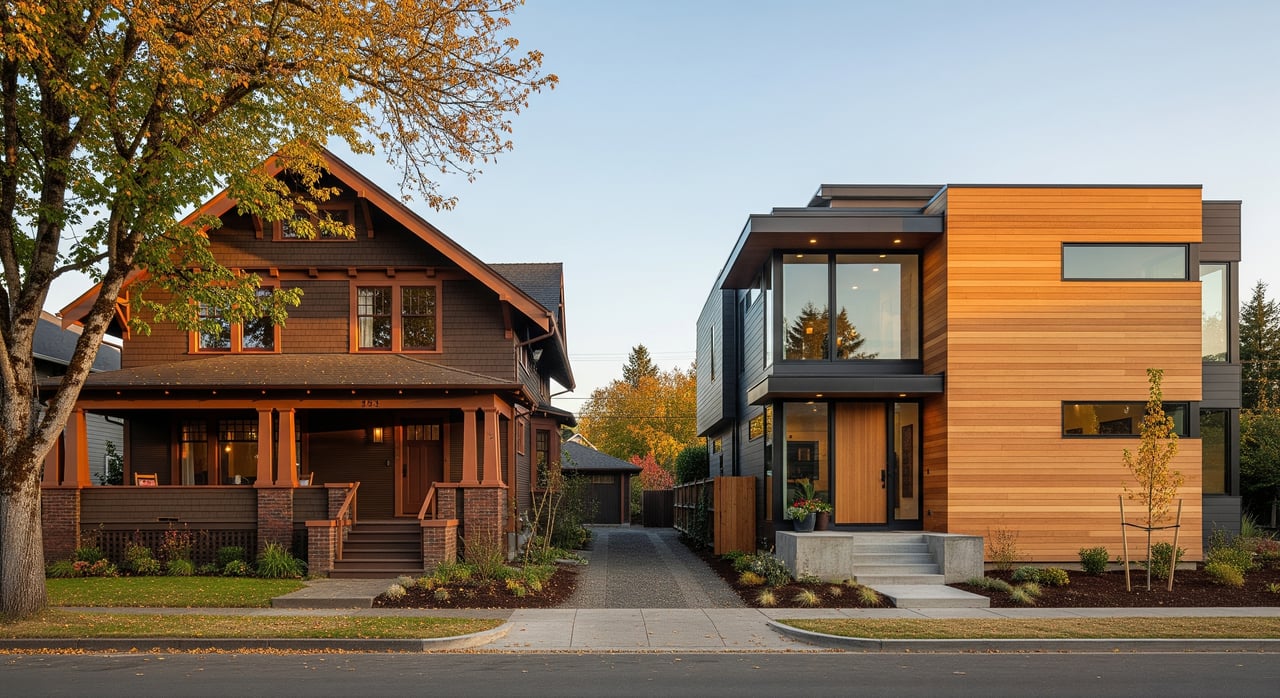
Is the character of a Victorian porch calling your name, or does the ease of a move-in-ready home sound better right now? Choosing between a historic home and newer construction in Albany is exciting, but it also comes with different costs, rules, and maintenance needs. You want a home that fits your lifestyle and budget today while holding value tomorrow.
In this guide, you’ll get a clear look at how historic and newer homes differ in Albany, what to watch for during tours and inspections, and how incentives and local rules might affect your plan. You’ll come away with a practical checklist and next steps, tailored to local neighborhoods and housing types. Let’s dive in.
Albany home styles at a glance
Albany includes two well-known historic districts near downtown, Monteith and Hackleman, where you’ll see late 19th and early 20th century architecture, including Victorian, Craftsman, and bungalow styles. These neighborhoods typically offer sidewalks, smaller lots, and close access to downtown amenities. If you plan any exterior changes in a designated district, review the City’s Historic Preservation information and design guidelines through the City of Albany’s Historic Preservation program.
Outside the core, you’ll find newer subdivisions and infill built from the 1990s through the 2000s and beyond. Homes here often have larger garages, open layouts, and modern mechanical systems. Ongoing new construction reflects regional growth across the Willamette Valley and gives buyers options closer to the city’s edges.
Market dynamics vary by era and neighborhood. Inventory, price trends, and time on market shift throughout the year. Before you make an offer, compare recent sales for similar homes in the immediate area and age range.
Historic vs newer: what changes your day-to-day
Structure and exterior envelope
Historic homes may have original or early concrete foundations, older siding, and single-pane windows. Over time, you can see settling, moisture intrusion, and flashing issues, and windows may need restoration or replacement. Newer homes are built to the code in place at the time of construction, with deeper footings, engineered framing, and modern flashing details.
The practical impact is simple. Roofs, gutters, window systems, and siding on older homes can require earlier or more frequent work, which adds to your total cost of ownership. In newer homes, the envelope often performs better out of the gate, which reduces near-term maintenance.
Electrical, plumbing, and HVAC
In historic homes, you may encounter knob-and-tube wiring, older fuse boxes, ungrounded outlets, or aluminum wiring. Plumbing could include galvanized lines or older materials. Central air may be absent, and furnaces or boilers may be near the end of life. By contrast, newer homes usually feature modern electrical panels, PEX or copper plumbing, and efficient HVAC systems that may still be under warranty.
Upgrades to electrical and plumbing can be expensive and sometimes require opening walls. Insurers may also require certain updates before providing full replacement coverage. In newer homes, systems tend to be more predictable, which helps with budgeting.
Energy performance and incentives
Older homes often have little wall insulation, single-pane windows, and higher air leakage, which can raise heating and cooling bills. Newer homes must meet energy codes that have improved over the years and typically include better insulation, double-pane windows, and mechanical ventilation. You can verify statewide code requirements through the Oregon Building Codes Division.
If you plan to improve an older home’s performance, explore rebates through the Energy Trust of Oregon for heat pumps, insulation, and windows. Federal credits for energy efficiency and clean energy measures are also available. Start with the U.S. Department of Energy’s overview of home energy tax credits and improvements, then confirm specifics with the IRS guidance before you buy materials or schedule work.
Layout, finishes, and adaptability
Historic homes come with distinctive millwork, built-ins, and unique craftsmanship. Rooms can be smaller and more compartmentalized, and kitchens or baths may sit in less convenient locations. Opening floor plans or relocating stairs can be complex and may need engineering and local review if exterior changes are involved.
Newer homes lean toward open living areas, larger closets, multiple bathrooms, and garages that flow with daily life. If easy accessibility and flexible space are top priorities for you, newer construction often wins on day-one convenience.
Neighborhood feel and local rules
Historic districts in Albany typically offer mature trees, sidewalks, and short walks to downtown shops or parks, with smaller lots and setbacks. If a property is inside a local historic district, exterior changes that are visible from the street may trigger design review. The City of Albany Historic Preservation program can help you understand what is usually allowed.
Newer subdivisions may include cul-de-sacs and planned amenities, sometimes with HOA rules. They are often located farther from the urban core depending on the neighborhood. Read HOA documents closely to understand any design, parking, or landscaping standards.
Insurance, taxes, and financing
Insuring older homes can cost more, especially if original wiring or plumbing remains or if specialty materials raise replacement costs. Some insurers require updates for full coverage. Property taxes depend on assessed value and parcel history, not on whether a home is historic or newer, so always check the assessor’s records for the property you are considering.
If you want to buy and renovate, there are financing paths to bundle improvements with your mortgage. Talk with your lender about options like FHA 203(k) or Fannie Mae HomeStyle, and confirm any requirements for historic properties or unpermitted work.
Total cost of ownership in Albany
A smart comparison goes beyond list price. Add up near-term capital work, ongoing maintenance, utilities, insurance, and any historic review or permit costs.
One-time or near-term capital costs to consider:
- Roof replacement or major roof repairs
- Foundation stabilization or structural work
- Electrical or plumbing upgrades, new HVAC or heat pump
- Chimney repairs, seismic upgrades, or masonry work
- Lead-based paint stabilization or asbestos remediation in older homes
Ongoing operational costs:
- Utilities for heating and cooling, especially in drafty older homes
- Exterior painting, window upkeep, and routine maintenance
- Tree care and landscaping
- Pest control and periodic crawlspace or attic checks
- Insurance premiums that reflect the home’s age and systems
Regulatory and compliance costs:
- Building permits for permitted work
- Historic design review for exterior changes in designated districts
- Costs to address any unpermitted modifications found during due diligence
Potential offsets and incentives:
- Rebates and assessments from the Energy Trust of Oregon
- Federal clean energy and efficiency credits outlined by the U.S. Department of Energy and the IRS
- Historic tax incentives from the National Park Service that apply mainly to qualified income-producing properties. Learn more through the NPS Federal Historic Preservation Tax Incentives overview.
Resale and appreciation considerations:
- Historic homes can perform well when character and location line up with buyer demand, though some buyers hesitate over maintenance or review processes.
- Newer homes often attract buyers who want turnkey condition and lower immediate maintenance, and energy efficiency is an increasing draw.
How to evaluate homes in Albany
Use this step-by-step approach to compare properties with confidence.
Pre-tour research
- Check city permit records and parcel details to see what work has been done. For district boundaries or design questions, start with the City of Albany Historic Preservation program.
- Ask the seller for 12 months of utility bills and any maintenance or repair records.
- Confirm if the property is inside a local historic district and whether your planned exterior changes would need review.
On-tour red flags
- Roofing and drainage: look for missing shingles, sagging areas, or clogged gutters.
- Water intrusion: stains, musty odors, damp crawlspaces, or grading that slopes toward the foundation.
- Windows and trim: single-pane windows, soft or decayed sills, and peeling paint.
- Floors and doors: uneven floors or sticking doors that may signal settlement.
- Chimney and masonry: leaning stacks, missing mortar, or visible cracks.
- Electrical and plumbing: older fuse panels, cloth-insulated wiring, ungrounded outlets, galvanized pipes, slow drains, or low pressure.
- Heating and cooling: the age of the furnace, presence of central AC or a heat pump, and general condition.
Inspection strategy
- Schedule a full home inspection that covers structure, systems, roofing, insulation, and moisture.
- Add specialists as needed: a licensed electrician for older wiring, a plumber for galvanized or polybutylene piping, a structural engineer for foundation concerns, and a chimney or masonry inspector for brick or stone work.
- For pre-1978 homes, consider a lead-based paint assessment and an asbestos inspection of suspect materials. For general guidance on lead and asbestos in older homes, review the EPA’s resources.
- If the home is within a historic district and you plan exterior changes, consult City Historic Preservation staff early to understand what triggers review.
Offers and negotiation
- Include an inspection contingency and allow time for specialist evaluations on older homes.
- Request seller disclosures and documentation for major work, including permits and contractor receipts.
- If you uncover big-ticket items, consider asking for a seller credit, price reduction, or an escrow holdback for repairs.
- In a competitive situation, weigh the difference between a price reduction and a seller credit. A credit can help you pay for repairs soon after closing.
Decision guide: which is right for you?
Choose a historic home if you love character, proximity to downtown, and established landscaping, and you are comfortable budgeting for ongoing maintenance and targeted upgrades. A phased plan using rebates or credits can help manage costs while you preserve the look you love.
Choose a newer home if you prefer lower near-term maintenance, a modern layout, and better baseline energy performance. The predictability of newer systems can simplify your first few years of ownership and help with long-term planning.
Many buyers find a middle path: a well-located older home that has received strategic updates, like insulation, a heat pump, and electrical improvements. With the right plan and incentives, you can blend charm with comfort and efficiency.
Your next steps
- Walk through both historic and newer homes to get a feel for layout and maintenance needs.
- Pull utility history, permit records, and recent neighborhood comps before you set an offer strategy.
- Line up your inspection team and talk to your lender about renovation-friendly financing if needed.
If you want a clear plan for Albany, we are ready to help you compare options and move with confidence. Reach out to Nick Ayhan for local guidance, a step-by-step evaluation process, and a purchase strategy that fits your goals.
FAQs
What does buying in an Albany historic district mean?
- If a home sits in a designated district, some exterior changes visible from the street may require local design review. Start with the City’s resources at the Historic Preservation program to understand timelines and what is typically allowed.
Are there incentives to upgrade an older home’s energy performance?
- Yes. The Energy Trust of Oregon offers rebates for measures like heat pumps and insulation, and federal tax credits exist for certain upgrades. Review program details on the U.S. Department of Energy site and confirm eligibility with the IRS.
How should inspections differ for a historic home versus a newer one?
- Schedule a full home inspection, then add specialists as needed for older wiring, plumbing, foundations, chimneys, and potential lead or asbestos. In newer homes, inspections still matter, but major system replacements are less likely in the near term.
Can I use renovation financing for a historic property in Albany?
- Many buyers use products like FHA 203(k) or Fannie Mae HomeStyle to finance improvements. Confirm property eligibility, scope requirements, and any historic review considerations with your lender early in the process.
Do federal historic tax credits apply to my Albany house?
- The federal Historic Tax Credit mainly supports certified rehabilitations of income-producing historic buildings. Most owner-occupied homes do not qualify. Learn more from the National Park Service program overview.
Should I worry about lead paint or asbestos in older homes?
- Pre-1978 homes can contain lead-based paint, and some older materials may contain asbestos. Discuss testing during inspections and review the EPA’s guidance for safe practices and abatement options.