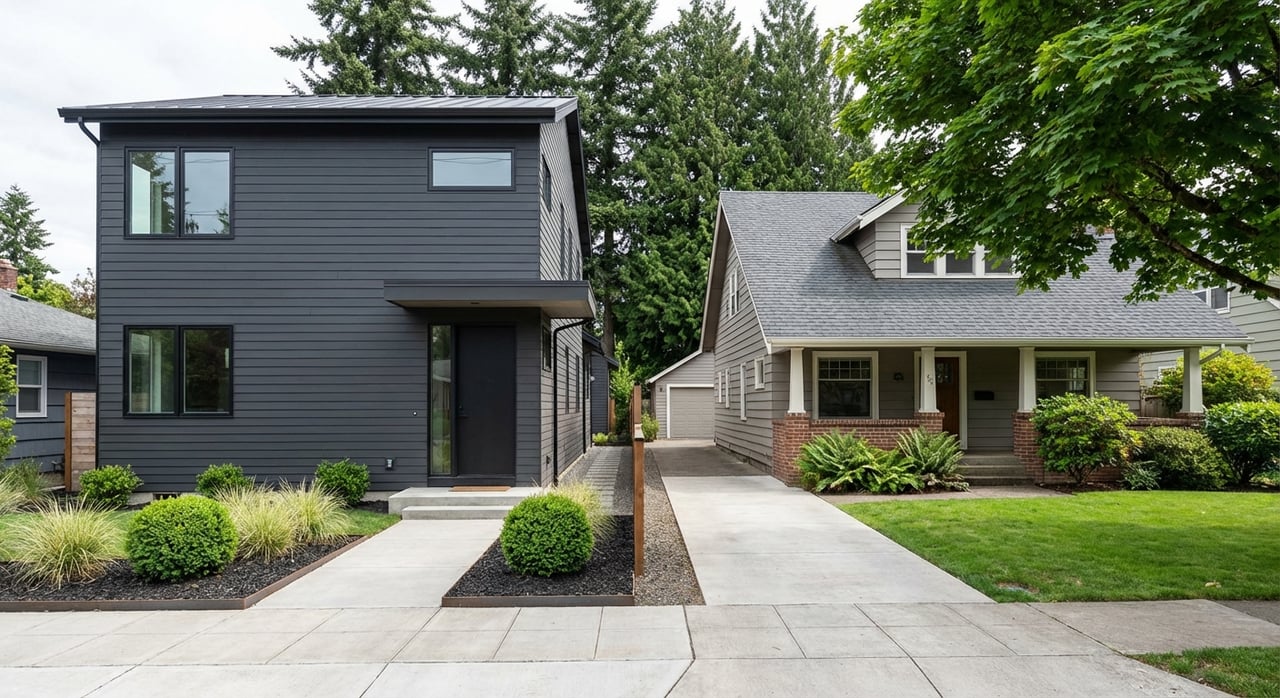
Trying to choose between a shiny new build and a character-filled resale in Salem? You are not alone. The right answer depends on your budget, timeline, lot preferences, and how much you value modern systems versus location and yard size. This guide breaks down real Salem examples, cost factors, and an easy checklist so you can decide with confidence. Let’s dive in.
Salem market at a glance
Salem’s median list price sits around $499,000, with an average of about $270 per square foot citywide. Neighborhoods vary, so your price per square foot and home type will shift by area. Many residents enjoy a manageable local commute, with an average travel time close to 22 minutes. If you plan to commute to Portland at times, expect about 45 to 60 minutes by car depending on traffic or around an hour by train.
New construction: what you get
Pricing and price per square foot
New construction in Salem often clusters in south and west-side subdivisions, where you’ll see builder plans and quick-move options. In communities like Verona Heights, examples show larger homes priced in the $700,000 range with price per square foot typically around the city average to slightly above, depending on plan size and finishes. Larger plans can produce a lower price per square foot even when the total price is higher, so always compare models, options, and lot specifics.
Warranties and maintenance
One of the biggest advantages of a new build is the warranty. Many builders follow a 1-2-10 model: roughly 1 year on workmanship and materials, 2 years on major systems like plumbing, electrical, and HVAC, and 10 years on structural coverage when a third-party program is used. New systems typically mean fewer surprise repairs in the early years. You still want to review the exact warranty terms in writing and understand what is covered, what is excluded, and whether coverage transfers to a future buyer.
Timelines and financing
If you need to move fast, a resale usually wins. New construction can take months after permitting to complete, and custom or semi-custom builds often stretch 7 to 14 months depending on scope, weather, and supply chains. Financing can also differ. Some buyers use a construction-to-permanent loan that funds draws during the build and then converts to a standard mortgage when the home is complete. This structure may require a larger down payment, so talk to a lender early if you are leaning toward building.
Lots and lifestyle
Newer subdivisions in Salem commonly offer modest but usable lots. In the Verona Heights area, for example, you may see lots around 0.18 acres. Yards are simpler to maintain, and site layouts are designed for modern living. If a low-maintenance yard, open floor plans, and contemporary finishes are high on your list, new construction delivers that combination well.
Resale homes: what you get
Pricing and price per square foot
Resale listings range widely in Salem, from historic districts near downtown to established subdivisions in South Salem. In centrally located, historic neighborhoods such as Gaiety Hill and the Bush’s Pasture Park area, the price per square foot often runs in the low to mid $300s. In established suburban areas like Foxhaven in South Salem, price per square foot commonly lands in the $200s depending on age, updates, and lot size. Location and land often drive these differences just as much as finishes do.
Condition and upgrades
Older homes can offer strong value per dollar, but plan for near-term maintenance. Roofs, HVAC systems, and water heaters may be closer to replacement age. Energy updates like windows and insulation can also be common to-do items. The tradeoff is clear: you might pay less upfront for a great location or a bigger lot, then invest over time to make the home fit your style and performance goals.
Speed and financing
Resales typically close in 30 to 60 days once you are under contract, which fits buyers on a tighter schedule. Financing is more straightforward, usually a standard mortgage without the interest-only draw period you see with construction loans. If you are relocating soon, or you are syncing a home purchase with a home sale, the predictability can be a major win.
Lots and lifestyle
Resale subdivisions in Salem often feature larger lots, mature trees, and established landscaping. In neighborhoods like Foxhaven, you will commonly see 0.17 to 0.33 acre lots. If you want room for a garden, RV parking, or privacy, a resale home in an established area may align better with your priorities.
Neighborhood examples to ground your search
Sunnyslope and Verona Heights (new build focus)
In south Salem’s Sunnyslope area, builder communities like Verona Heights showcase modern floor plans, new systems, and builder warranties. You will typically find compact lot sizes, a consistent neighborhood look, and quick-move options when inventory allows. Expect pricing that reflects the newer product type and finishes.
Gaiety Hill and Bush’s Pasture Park (historic focus)
Close to downtown, these historic districts feature charm, character, and strong location advantages. Homes vary by age and style, and price per square foot can exceed newer suburban builds because of the central setting and lot desirability. Buyers here often value walkability, mature trees, and architectural details you cannot easily replicate.
Foxhaven in South Salem (established resale)
Foxhaven offers a helpful middle ground for many buyers. You will see larger yards than many new subdivisions, a range of home ages, and pricing that often stays in the $200s per square foot depending on condition and updates. It is a good case study for comparing resale options against new-build base prices plus options.
Cost comparison: beyond sticker price
When you compare new construction to resale, look beyond the list price. Factor in the all-in cost so your numbers reflect how you will live in the home for the next five years.
New construction costs to include:
- Base price plus structural options and interior upgrades
- Lot premiums, landscaping, fencing, window coverings, and appliances not included
- HOA dues if applicable
- Property taxes based on the new home’s assessed value
Resale costs to include:
- Inspection findings and near-term repairs or replacements (roof, HVAC, water heater)
- Energy upgrades, paint, flooring, or kitchen/bath refreshes
- Ongoing yard maintenance or tree work
- Potential savings if you secure a well-priced home and improve it over time
Price per square foot reality check:
- Citywide averages are helpful anchors, but always compare similar locations and lot sizes
- A small historic home in a prime central area can price above a larger suburban new build
- A larger new plan can bring the price per square foot down even if the total price is higher
Decision checklist for Salem buyers
Use this quick flow to clarify your best fit. Write your answers, then compare options side by side.
- Budget and true all-in cost
- New: base price, options, lot premium, landscaping, HOA, taxes
- Resale: offer price, inspection items, energy updates, yard work, and ongoing maintenance
- Timeline
- If you need keys in 30 to 60 days, resale is usually the safer path
- If you have months and want to customize, a new build could be worth the wait
- Priorities
- Value modern systems, open layouts, and warranties, with a modest yard: lean new
- Value central location, mature trees, and larger yards: lean resale
- Financing
- New builds may require a construction or construction-to-permanent loan with larger down payments
- Resales typically use standard mortgages with more predictable monthly payments
- Risk tolerance
- New builds can involve schedule shifts and change orders, which require patience and oversight
- Resales usually have fewer moving parts once you are under contract
- Warranty and inspection
- New: confirm the written 1-2-10 style warranty and what it covers
- Resale: order thorough inspections and budget for near-term maintenance
Which is right for you?
If you prioritize low-maintenance living, modern energy performance, and a predictable warranty period, new construction can be a smart move. You will likely trade a bit of lot size for a newer home and a more streamlined maintenance outlook. If you value location near central amenities, larger lots, and the chance to build equity through targeted upgrades, a resale in an established neighborhood may be the better fit.
There is no one-size answer. The best choice is the one that matches your budget, timing, and lifestyle. A side-by-side comparison of two or three real-world options will make the decision clear fast.
Work with a local advisor
You deserve a plan that fits your goals, whether that means building from scratch or buying a move-in-ready home. Our team brings construction insight, neighborhood expertise, and flexible buying and selling strategies to help you compare options with real numbers. If you want a clear path to your next home in Salem, connect with Nick Ayhan for a tailored strategy.
FAQs
Are new homes always more expensive per square foot in Salem?
- Not always. Central historic homes can command higher price per square foot than larger new builds in suburban areas, while some new homes with premium finishes may price above the city average. Compare similar areas and lot sizes for a fair read.
What warranty protections come with a new build in Salem?
- Many builders use a 1-2-10 approach: about 1 year on workmanship and materials, 2 years on key systems, and 10 years on structural coverage through a third-party program. Always verify the written warranty and transfer terms.
How should I compare lot sizes between new and resale homes in Salem?
- Look at total lot square footage, usable yard area, sun exposure, mature trees, and any HOA or easement restrictions. Visit lots at different times of day to evaluate light and noise, then decide which setting fits your lifestyle.
Does living in Salem work if I sometimes commute to Portland?
- Yes for many households. Plan for about 45 to 60 minutes by car depending on traffic or roughly an hour by train. Balance commute frequency and cost with the lifestyle and housing value you gain in Salem.
How long does a new construction build take in Salem?
- Timelines vary, but many single-family builds measure in months after permitting, with custom and semi-custom projects commonly running 7 to 14 months. Quick-move inventory can shorten the wait if your timing is tight.