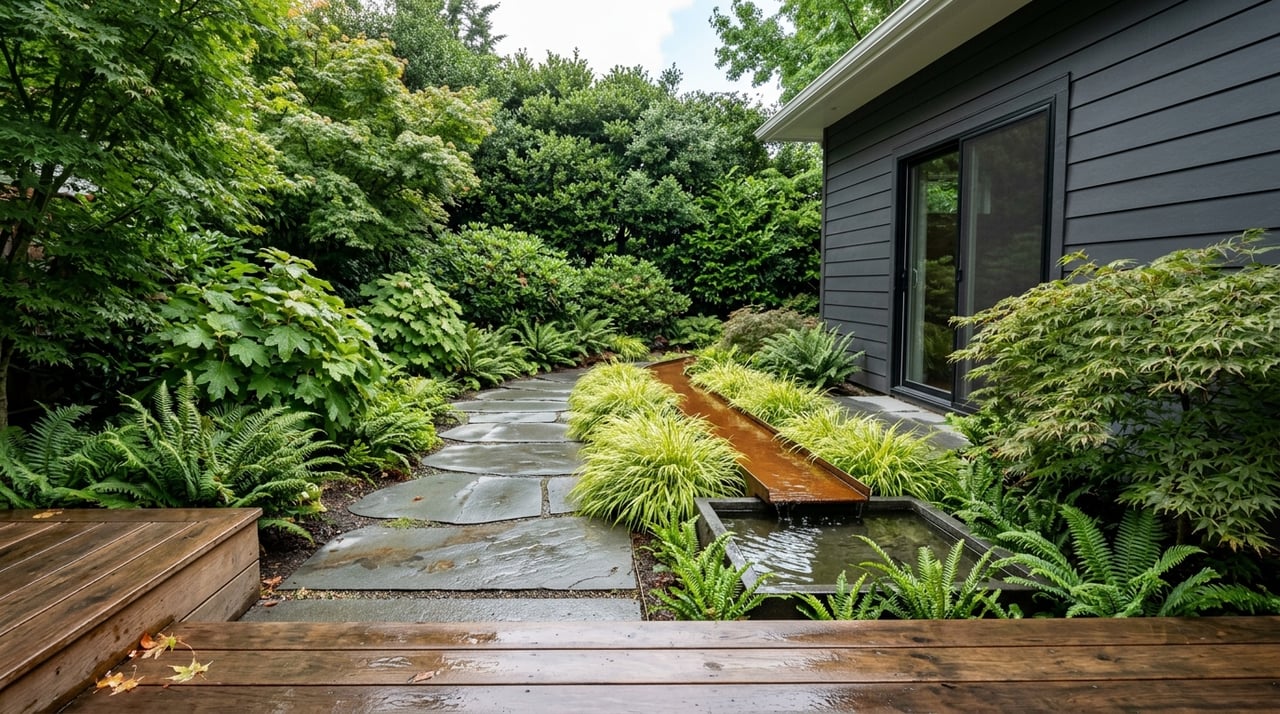
If your ideal weekend includes garden paths, waterfall hikes, and a home that feels connected to the outdoors, Silverton deserves a close look. This small Willamette Valley city offers a rare mix of natural beauty, town charm, and housing variety that appeals to buyers who want more than just square footage. Whether you picture a historic house near downtown or a larger-lot property at the edge of town, Silverton gives you options with nature woven into daily life. Let’s dive in.
Why Silverton Stands Out
Silverton is a compact city of about 10,500 residents with 3.51 square miles of land area. It sits about 15 miles from Salem along Highway 213, which makes it a practical choice if you want a smaller-town setting with access to a larger nearby city.
The city is often described as Oregon’s Garden City, and that identity is not just branding. Silverton’s planning materials point to a community shaped by historic downtown streets, surrounding farmland, natural landscapes, arts culture, and connected neighborhoods.
For buyers, that matters because place affects daily life. In Silverton, parks, gardens, trails, and scenic drives are not occasional extras. They are part of the rhythm of living here.
Nature Is Part of Daily Life
One of Silverton’s biggest strengths is how many outdoor experiences fit into one lifestyle picture. You are not choosing between a pretty town and access to nature. In many ways, you get both.
That is a major reason Silverton stands out among small Willamette Valley communities. The city connects local green spaces with destination-level outdoor attractions in a way that feels unusual for its size.
The Oregon Garden Adds Everyday Beauty
The Oregon Garden is one of Silverton’s signature attractions. This 130-acre botanical garden includes more than 20 specialty gardens, with spaces focused on roses, children, sensory experiences, and medicinal plants.
It also offers daily narrated tram tours from April through October and includes sustainable features such as wetlands and the A-Mazing Water Garden. That system helps cool the city’s effluent water before it is reused for irrigation, which adds an interesting environmental layer to the experience.
For homebuyers, the practical takeaway is simple. Living in Silverton means a major garden destination is part of your local backdrop, not a special trip across the region.
Silver Falls State Park Raises the Bar
Silver Falls State Park is another major reason nature lovers look at Silverton. The park covers more than 9,000 acres and draws well over a million visitors each year, making it one of the region’s best-known outdoor destinations.
Its Trail of Ten Falls is a 7.2-mile loop and a designated National Recreation Trail. The route lets you walk behind four waterfalls, which gives the park a memorable appeal that goes beyond a standard hiking area.
If you are comparing Silverton with other small towns, this is a meaningful advantage. Silverton is closely tied to a marquee state park, not just a handful of local paths.
In-Town Parks Keep Nature Close
Silverton’s outdoor appeal is not limited to the big attractions. The city currently has eight parks, including neighborhood parks, a marine park, a skate park, and a dog park.
Facilities and activities include hiking trails, picnic areas, boating, and fishing. The city also describes the Silver Creek greenway near downtown as a connected system linking Coolidge & McClaine Park, the library, City Hall, and Town Square Park.
The Silverton Reservoir and Marine Park adds another layer to local recreation. It is described as a regional waterfront park with a fishing dock, boat ramps, and non-motorized boating only, which can appeal to buyers who want calm water access close to home.
What Homes in Silverton Feel Like
Silverton’s housing appeal is not one-note. The city offers a mix of established in-town homes, historic properties, and larger-lot settings that can feel more tucked away.
That variety is useful if your version of a nature-focused lifestyle looks different from someone else’s. Some buyers want to walk to downtown and enjoy mature streetscapes. Others want more elbow room and a stronger edge-of-town feel.
Historic Homes Near Downtown
Silverton has a visible stock of older and historic homes, and that contributes to the town’s character. The city’s Multiple Property Document identified 272 homes eligible for listing on the National Register of Historic Places.
City planning materials also note that older homes are an important part of the local housing inventory and an aesthetic amenity. That helps explain why parts of Silverton feel established, layered, and visually distinctive rather than newly built all at once.
If you enjoy architecture, Silverton offers some notable examples. Official landmark pages highlight homes such as the Queen Anne-style Ek House and the Craftsman-style Adams House, while the Gordon House adds a rare design landmark to the city.
Larger Lots and Edge-of-Town Options
If you prefer more space, Silverton also shows signs of larger-lot and edge-of-town residential settings. City zoning materials reference different residential contexts, including Acreage Residential and Single Family Residential.
That suggests buyers may find both in-town neighborhood lots and properties with a little more separation from the center of town. Still, every property is unique, and the city’s planning division emphasizes that buyers should verify parcel-specific zoning rather than make assumptions based on location alone.
This is especially important if you are thinking about land use, future improvements, or long-term flexibility. A property may feel rural or spacious, but the actual zoning and city rules are what matter.
Why Silverton Appeals to Nature Lovers
For many buyers, Silverton works because outdoor access is not isolated from the rest of life. You can enjoy a historic downtown setting, visit a botanical garden, spend time in city parks, and head to a major state park without changing your whole routine.
That blend creates a strong sense of balance. You are not choosing between convenience and scenery. You are choosing a community where those things often overlap.
Silverton’s identity also suggests a long-term commitment to preserving what makes the city appealing. The Silverton 2050 planning framework is intended to guide growth while addressing housing, infrastructure, parks and trails, natural resources, and community character through 2050.
What Buyers Should Keep in Mind
If you are considering Silverton, it helps to think clearly about how you want to live day to day. The right home here depends as much on your lifestyle as it does on the house itself.
A few questions can help narrow your search:
- Do you want a historic in-town home with quick access to downtown amenities?
- Would you rather look for a larger-lot property toward the edge of town?
- How important is nearby access to gardens, parks, or hiking destinations?
- Do you want an easier drive to Salem while living in a smaller community?
- Are you considering a property where zoning or land-use questions need closer review?
These are the kinds of details that shape a smart home search. In a place like Silverton, the lifestyle fit can be just as important as the bedroom count or lot size.
Silverton’s Market Context at a Glance
Silverton is a mostly owner-occupied market with an established housing base. U.S. Census Bureau data cited by the city show an owner-occupied housing unit rate of 61.1%, 3,940 total housing units, and a median value of owner-occupied housing units of $484,800.
Those numbers do not tell the whole story, but they do provide context. Silverton is not an oversized sprawl market with endless housing types. It is a smaller city where inventory, neighborhood character, and property setting can have a big influence on what feels like the right fit.
That is one reason local guidance matters. In a market where historic homes, established neighborhoods, and edge-of-town properties can all mean very different things, having a clear strategy helps you move faster and with more confidence.
Finding the Right Home in Silverton
Silverton can be a great fit if you want a town where gardens, waterfalls, and neighborhood parks shape everyday life. It offers a compact setting, strong local identity, and housing options that range from character-filled in-town homes to properties with a little more room to spread out.
If you are exploring Silverton or comparing it with other Willamette Valley communities, the goal is not just to find a house. It is to find the right mix of setting, access, and long-term fit for how you want to live. If you want guidance from a local expert who understands the Salem area and surrounding communities, connect with Nick Ayhan.
FAQs
What makes Silverton, Oregon appealing for nature lovers?
- Silverton offers close access to the Oregon Garden, Silver Falls State Park, and eight city parks, which makes outdoor recreation and scenery part of everyday life.
What kinds of homes can you find in Silverton, Oregon?
- Silverton includes historic in-town homes, established neighborhood properties, and some larger-lot or edge-of-town residential settings, depending on the specific property and zoning.
How close is Silverton, Oregon to Salem?
- Silverton is about 15 miles from Salem along Highway 213, which can make it appealing if you want a smaller community with access to a nearby city.
Is Silverton, Oregon known for historic homes?
- Yes. City materials identify 272 homes eligible for listing on the National Register of Historic Places, and older homes are recognized as an important part of the city’s housing inventory and character.
What outdoor attractions are near homes in Silverton, Oregon?
- Buyers may enjoy access to the Oregon Garden, the Trail of Ten Falls at Silver Falls State Park, the Silver Creek greenway, and the Silverton Reservoir and Marine Park.
What should buyers verify before purchasing property in Silverton, Oregon?
- Buyers should verify parcel-specific zoning and allowed uses with the city, especially when considering larger lots, land use plans, or properties near the edge of town.