Wondering what it actually feels like to live in West Salem day to day? If you are comparing Salem neighborhoods, this part of the city stands out for its mix of local routines, outdoor access, and easy connections across the river. From parks and coffee stops to library visits and bike-friendly routes, here is a practical look at what everyday life in West Salem can look like. Let’s dive in.
West Salem Has Its Own Identity
West Salem is more than the west side of the bridge. It is the northwest portion of Salem, located on the west bank of the Willamette River in Polk County, with its own neighborhood association and a long history of community planning and improvement.
That local identity shows up in how the area is organized. Business activity clusters along Edgewater Street and Wallace Road, which gives daily errands and dining a clear center. Instead of feeling spread out, many of the places you may use most often are grouped in a practical, familiar pattern.
Daily Routines Often Stay Close to Home
In West Salem, everyday life can revolve around a short list of go-to places. You might start your morning with coffee, stop by the library later in the day, and head to a park in the evening without leaving the neighborhood.
This is part of what makes the area appealing to many buyers. It offers a blend of residential streets, established community spaces, and nearby services that can support a steady, convenient routine.
Edgewater and Wallace Anchor Errands
Edgewater Street and Wallace Road are the main commercial corridors in West Salem. That means many regular needs, like grabbing a meal, meeting a friend, or running quick errands, are concentrated in a few familiar areas.
For dining and casual stops, current examples in West Salem include Annette’s Westgate, Walery’s Pizza, Urban Grange Coffee, Xicha Brewing, and West Side Tap House. These places help give the neighborhood a lived-in, local feel rather than a purely pass-through vibe.
The Library Adds a Civic Hub
The West Salem Branch Library is another part of everyday life that gives the area a strong community feel. It is located at 395 Glen Creek Road NW and has deep local roots, first opening in 1957 in the old West Salem City Hall before moving to its current site in 1995.
For many residents, a neighborhood library adds more than convenience. It creates a reliable public space that supports daily routines, whether you are picking up materials, attending a program, or simply using it as one more familiar stop in the week.
Outdoor Time Is Easy to Build In
One of the clearest lifestyle themes in West Salem is access to outdoor space. If you like the idea of fitting in a walk, playground stop, or riverfront outing without much planning, this part of Salem offers several strong options.
The area’s parks are not just occasional destinations. They can become part of your regular weekly rhythm, especially if you enjoy staying active or spending time outside close to home.
West Salem Park Supports Everyday Play
West Salem Park is set up well for casual, repeat use. The park includes a playground, grass field, covered stage, restrooms, and a seasonal splash pad.
That mix makes it useful for a range of everyday moments. You might stop by for a quick play break, meet friends outdoors, or spend a warm afternoon at the splash pad when it is in season.
Wallace Marine Park Expands Your Options
Wallace Marine Park offers a bigger outdoor setting. The city describes it as a 114-acre park on the west bank of the Willamette River with trails, a boat dock, soccer fields, softball fields, picnic tables, and play equipment.
That larger footprint gives you more ways to use the space. Some people may head there for a walk, while others may use it for sports, picnics, or river access. It is a major part of West Salem’s outdoor identity.
Getting Downtown Is Part of the Appeal
A big reason West Salem stands out is that it offers separation from downtown without feeling disconnected from it. When you want more dining, events, or city activity, the route into central Salem is built into daily life.
This matters if you want neighborhood calm but still value access. West Salem can support both, especially for people who like options during the week.
The Union Street Railroad Bridge Makes It Simple
For walkers and cyclists, the Union Street Railroad Bridge is one of the area’s defining features. The city says the bridge connects West Salem and downtown and links Wallace Marine Park, Riverfront Park, and Minto-Brown Island Park.
It also provides a traffic-separated route for bicycle and foot commuters traveling from West Salem to downtown and the Capitol Mall. That is a meaningful everyday benefit if you prefer active transportation or simply want a scenic, practical connection across the river.
Transit Access Adds Flexibility
Not every routine depends on driving, and West Salem offers a useful transit anchor near Glen Creek Road. The Cherriots West Salem Transit Center is just east of the West Salem Branch Library.
Cherriots lists routes 17, 26, and 27 as serving the West Salem Transit Center. For residents who use transit regularly, or just want another option available, that nearby access can add flexibility to everyday planning.
Homes Reflect a Mix of Eras
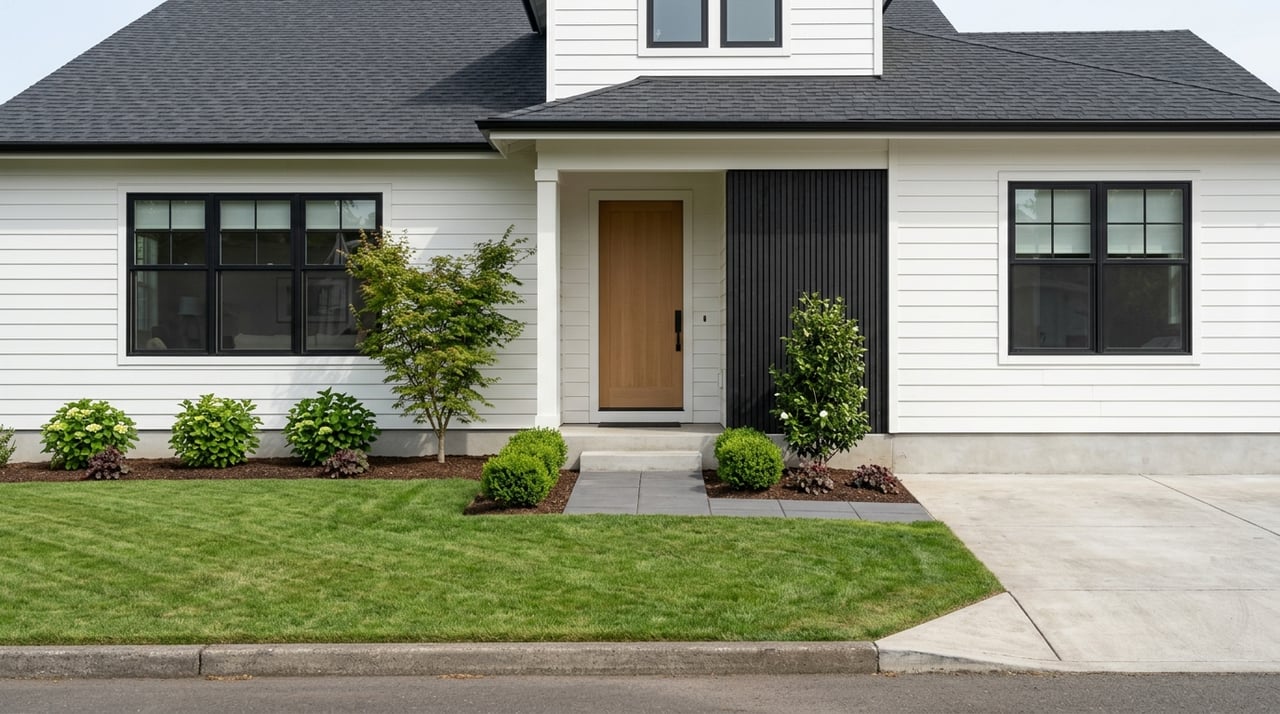
If you are thinking about moving to West Salem, the housing feel is important too. The area became part of Salem in 1949, and its residential fabric tends to read as more postwar than early-core historic.
The most accurate way to describe the housing mix is as a blend of established single-family homes, ranch-era houses, and some newer infill or middle housing. Salem also allows middle-housing types such as townhouses, duplexes, triplexes, quadplexes, and cottage clusters in residential zones.
What That Means for Buyers
In practical terms, West Salem does not fit just one housing story. You may see established homes with postwar character, familiar ranch-style layouts, and some newer housing types mixed into the area.
That variety can be helpful if your needs are changing. Whether you are looking for a first home, a move-up option, or a property with a different layout, West Salem may offer more range than buyers expect at first glance.
Why West Salem Appeals to Many Buyers
For many people, the appeal comes down to balance. West Salem offers local restaurants and coffee spots, useful public spaces, established parks, transit access, and a direct connection to downtown.
It can feel grounded in everyday convenience without losing its neighborhood character. If you want a part of Salem where daily life can include both routine and recreation, West Salem is worth a closer look.
If you are exploring West Salem and want help comparing homes, streets, and housing options across Salem, Nick Ayhan can help you make sense of the local market with clear, responsive guidance.
FAQs
What is West Salem known for in Salem, Oregon?
- West Salem is known for its strong local identity, parks like West Salem Park and Wallace Marine Park, commercial areas along Edgewater Street and Wallace Road, and its connection to downtown through the Union Street Railroad Bridge.
What parks are in West Salem, Oregon?
- West Salem includes West Salem Park, which has a playground, field, covered stage, restrooms, and seasonal splash pad, plus Wallace Marine Park, a 114-acre riverfront park with trails, sports fields, picnic areas, play equipment, and a boat dock.
How do you get from West Salem to downtown Salem?
- You can reach downtown Salem from West Salem by road, and walkers and cyclists can use the Union Street Railroad Bridge, which provides a traffic-separated route and connects to other major parks.
What everyday amenities are in West Salem?
- Everyday amenities in West Salem include restaurants and coffee shops along Edgewater Street and Wallace Road, the West Salem Branch Library on Glen Creek Road NW, nearby parks, and access to the West Salem Transit Center.
What types of homes are common in West Salem?
- West Salem is best described as having a mix of established single-family homes, ranch-era houses, and some newer infill or middle housing rather than one single dominant home style.